Optimal Timing for Yard Drainage Installation
Proper timing for yard drainage system installations is crucial to ensure optimal performance and longevity. The best time depends on climate, soil conditions, and project scope. Generally, late spring and early fall are ideal periods due to moderate weather and soil moisture levels.
Spring offers mild weather and stable soil conditions, making it suitable for installation before heavy summer rains.
Fall allows for installation before winter, reducing the risk of freeze-thaw damage and allowing proper settling.
Extreme heat or cold can hinder installation and affect material performance, making summer and winter less ideal.
Soil moisture levels and drainage needs influence timing; dry or overly wet soils may require postponement.
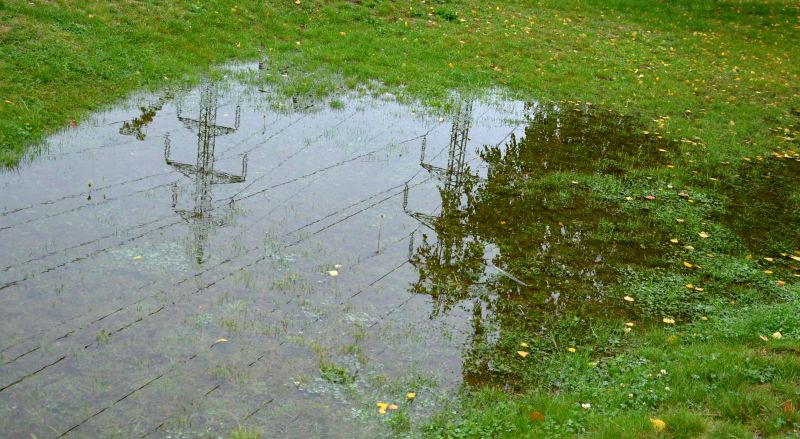
Workers installing drainage pipes amidst blooming landscape.
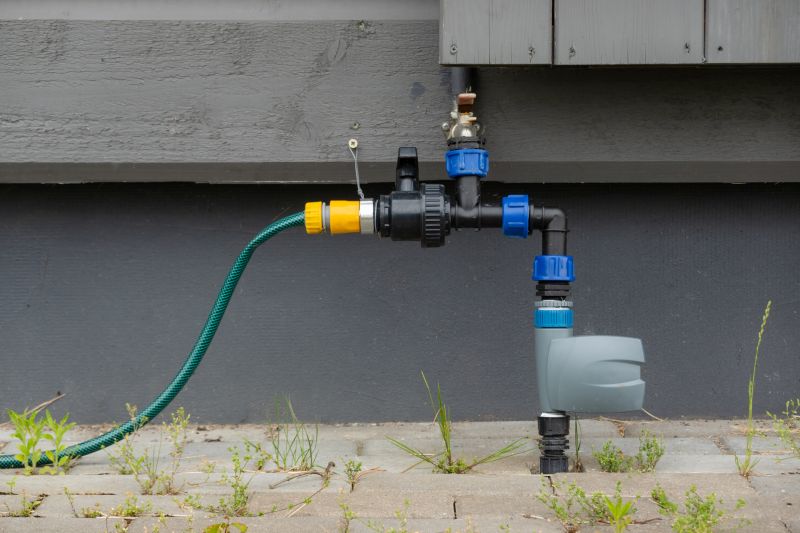
Preparation of yard drainage before winter freeze.
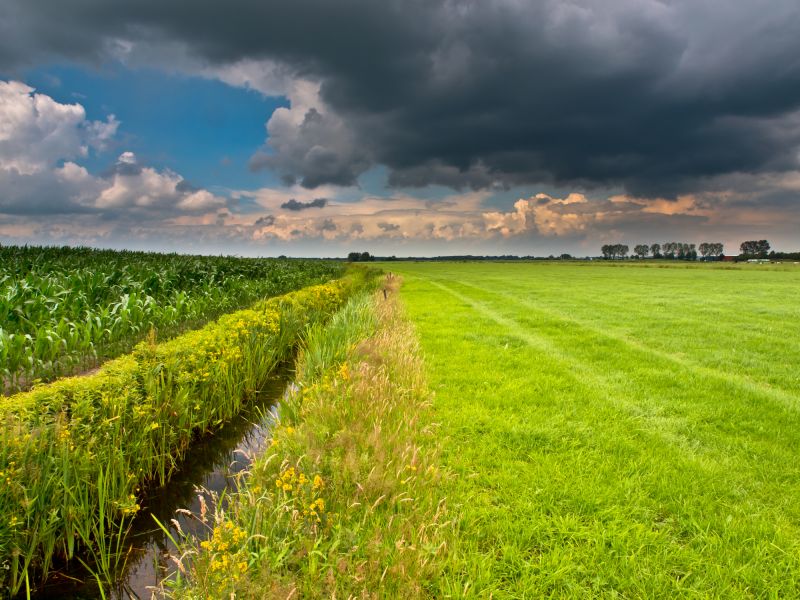
Excavation and grading of soil for optimal drainage flow.
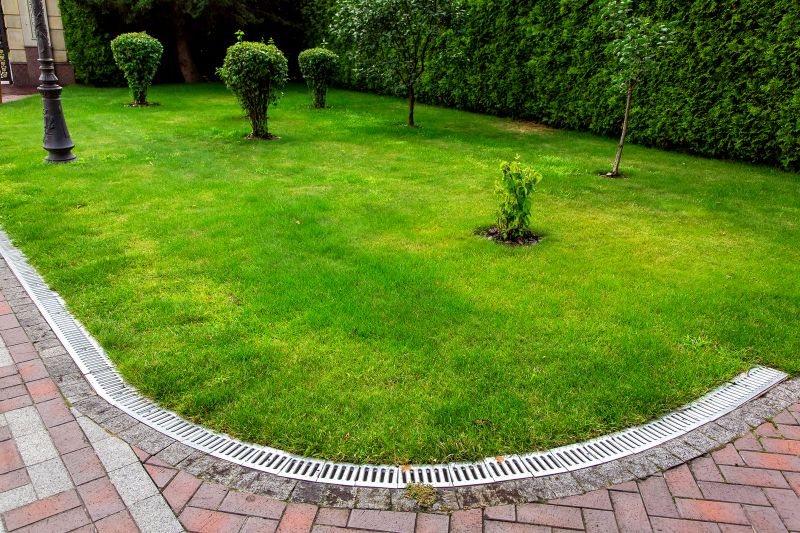
Ways to make Yard Drainage System Installations work in tight or awkward layouts.
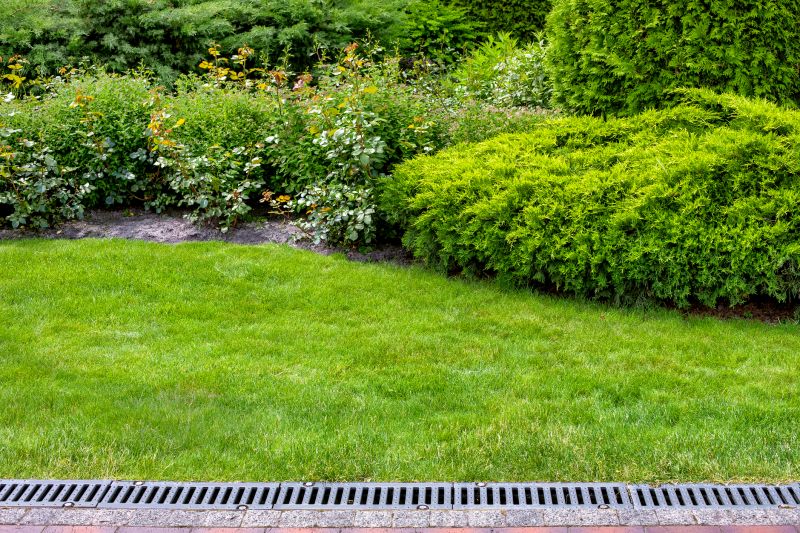
Popular materials for Yard Drainage System Installations and why they hold up over time.
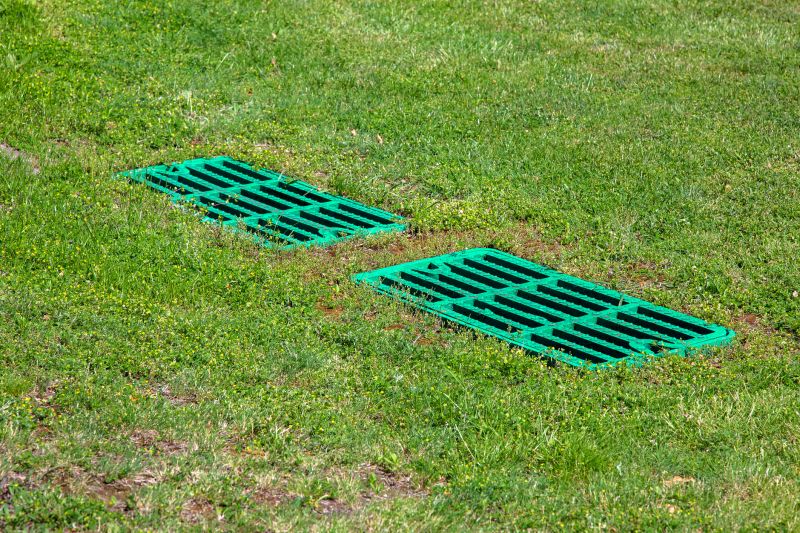
Simple add-ons that improve Yard Drainage System Installations without blowing the budget.
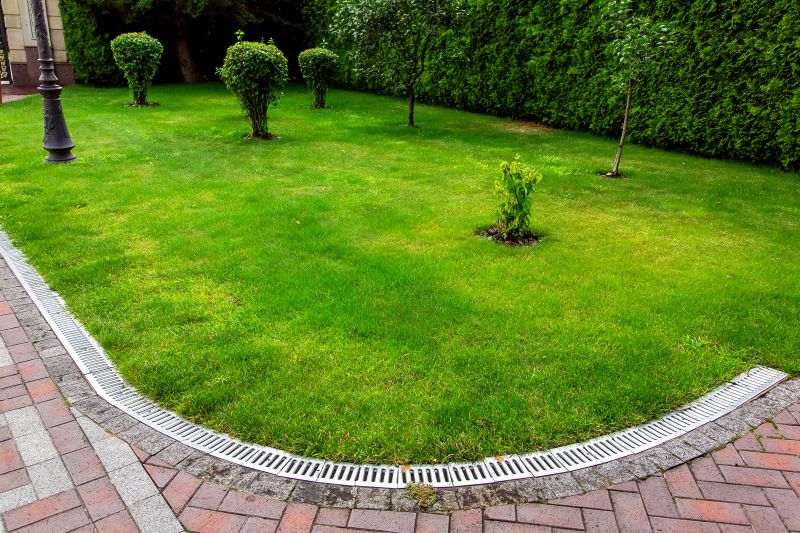
High-end options that actually feel worth it for Yard Drainage System Installations.
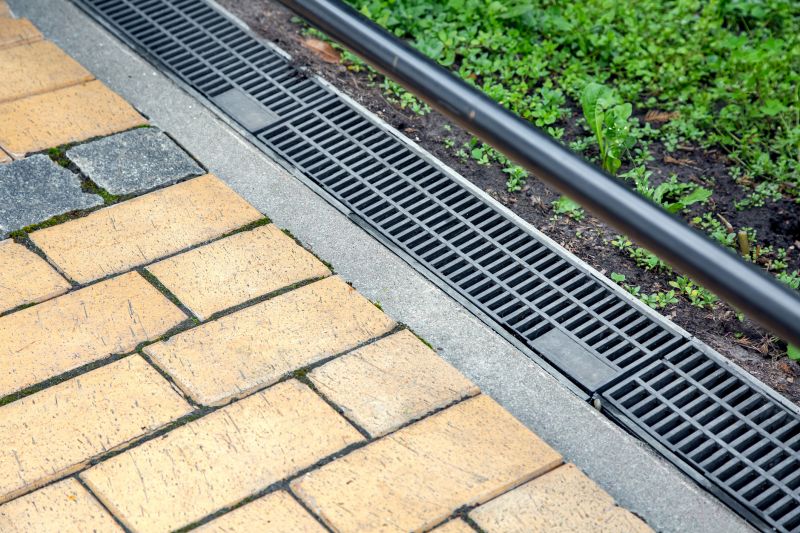
Finishes and colors that play nicely with Yard Drainage System Installations.
| Season | Ideal Conditions |
|---|---|
| Spring | Moderate temperatures and soil moisture |
| Summer | High temperatures and dry soils (less ideal) |
| Fall | Cooler weather and stable soil conditions |
| Winter | Freezing temperatures (not recommended) |
Yard drainage system installations are essential for managing excess water, preventing erosion, and protecting property foundations. Properly installed drainage reduces water pooling and soil saturation, which can lead to structural damage. The process involves grading, pipe installation, and sometimes the addition of catch basins or French drains. Timing the installation during favorable weather conditions ensures the materials set correctly and the system functions effectively.
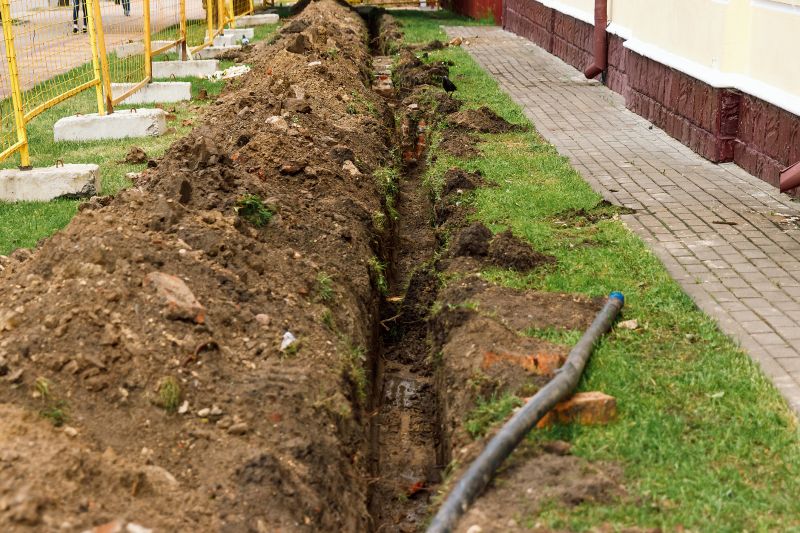
Trenched yard with pipes laid out for drainage.
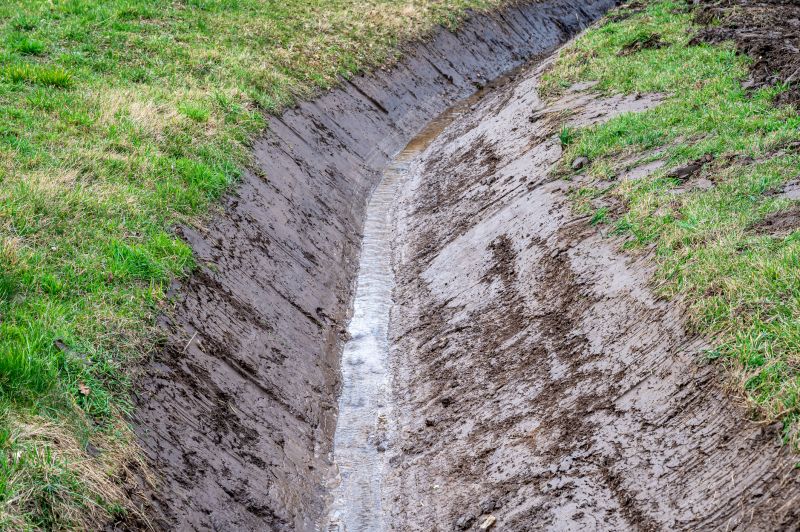
Soil being shaped to direct water flow.
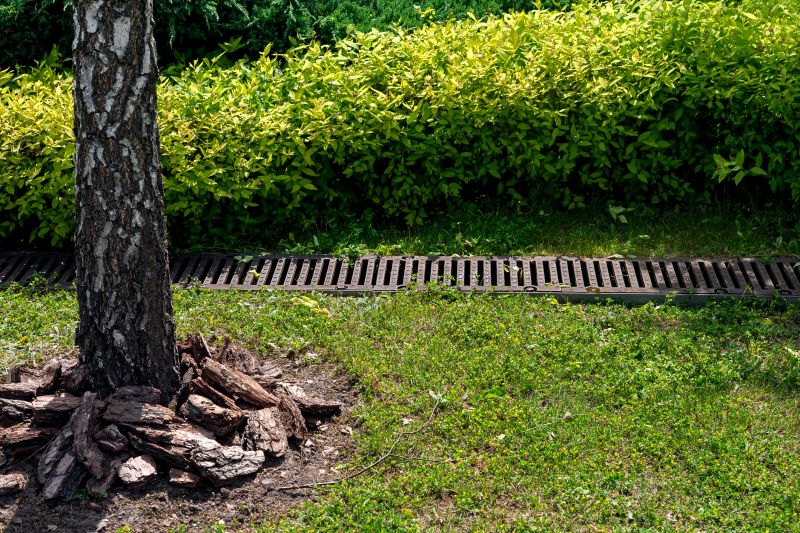
Installation of catch basins to collect runoff.
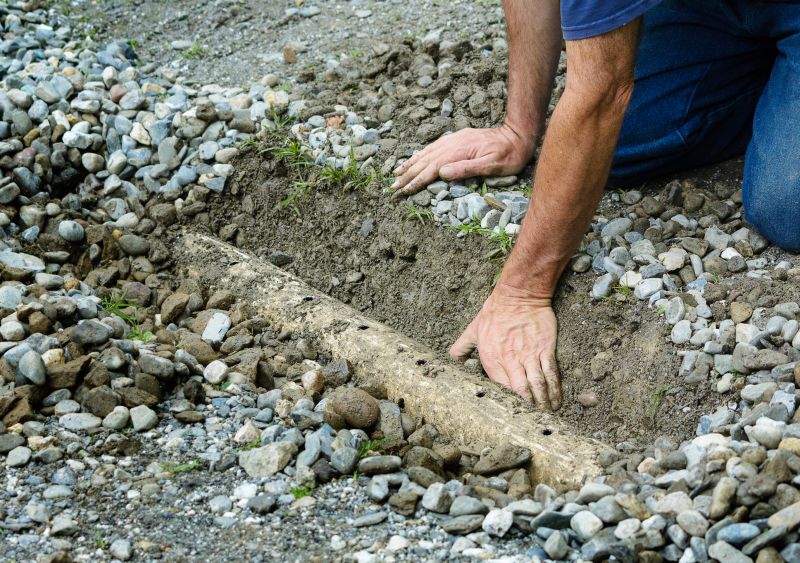
Perforated pipe covered with gravel for water diversion.
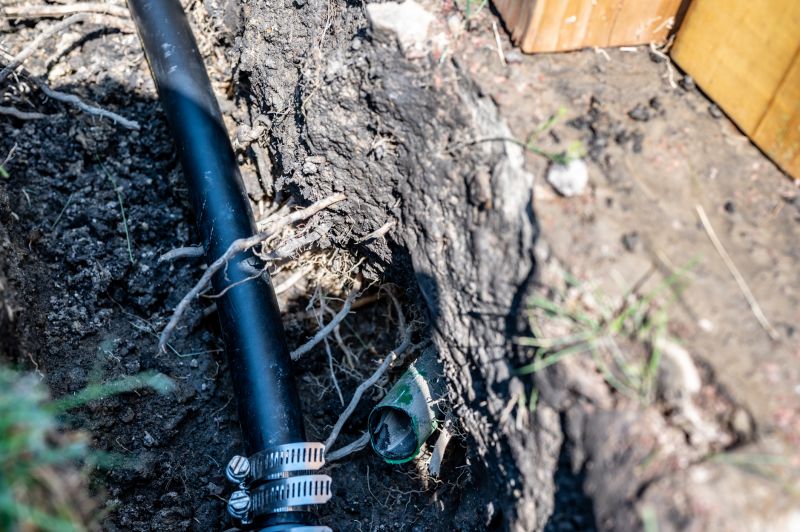
Little measurements that prevent headaches on Yard Drainage System Installations day.
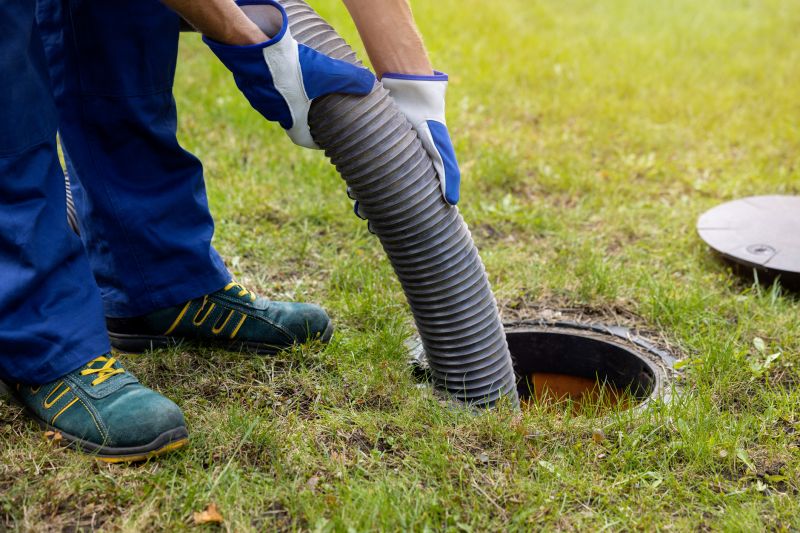
A 60-second routine that keeps Yard Drainage System Installations looking new.
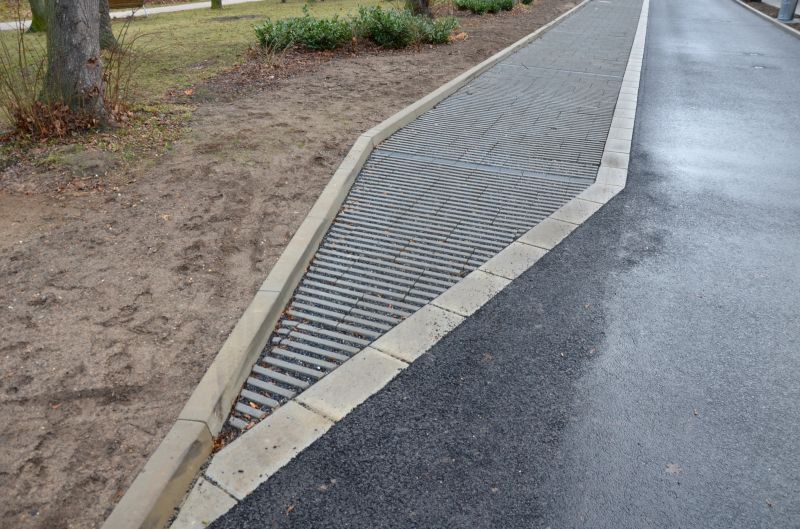
A frequent mistake in Yard Drainage System Installations and how to dodge it.
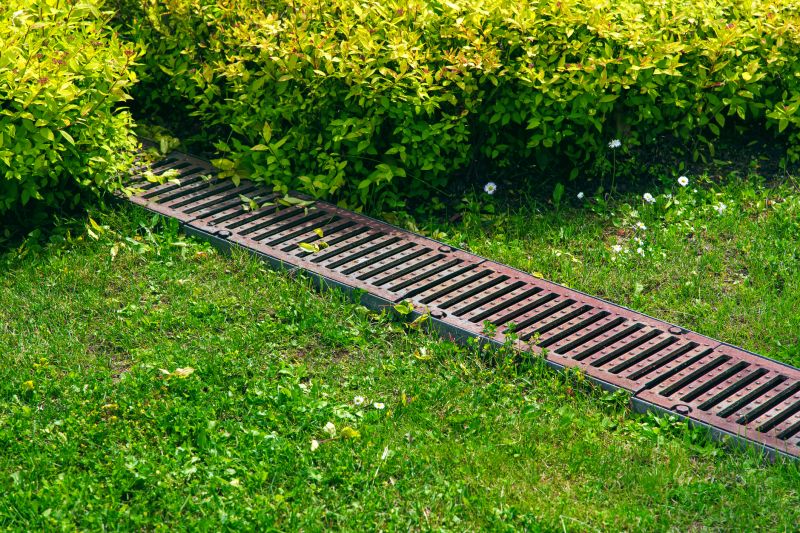
Small tweaks to make Yard Drainage System Installations safer and easier to use.
Interested in improving yard drainage? Filling out the contact form can provide more information and help schedule an installation at the optimal time for specific yard conditions. Proper planning and timing can significantly enhance drainage efficiency and protect property investments.