
Leading Products For Yard Drainage System Installations
Explore top-rated tools and materials essential for creating effective yard drainage solutions that prevent water pooling and erosion.
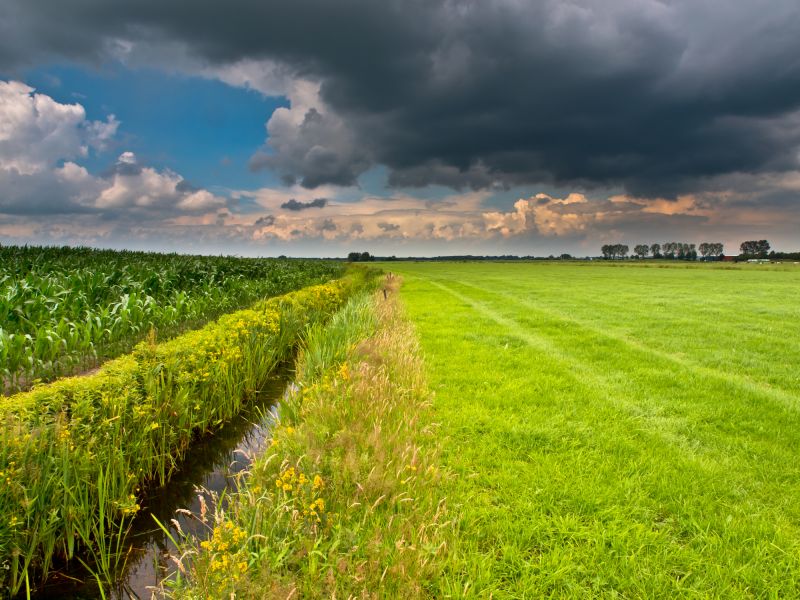 Creating an effective yard drainage system involves selecting the right products to manage water flow and prevent pooling or erosion. Proper drainage helps maintain yard stability, protects landscaping, and reduces water-related damage to structures. When planning a drainage installation, understanding the variety of available products and their specific functions is essential for achieving optimal results. From pipes and fittings to gravel and filters, each component plays a vital role in directing water away from problem areas.
Top Overall Option
Flexible Corrugated Drainage Pipe
Flexible corrugated drainage pipes are widely used for their ease of installation and adaptability to various yard layouts. They are designed to efficiently channel water away from problem areas and can be easily cut to size. Their corrugated surface provides strength and flexibility, making them suitable for both shallow and deep installations. When combined with appropriate fittings and gravel beds, they form a reliable component of a yard drainage system.
Types of Products For Yard Drainage System Installations
Perforated Drainage Pipe
Perforated pipes allow water to enter and exit, making them ideal for French drains and other subsurface systems.
Solid Drainage Pipe
Solid pipes are used for directing water flow without water entry points, suitable for specific drainage configurations.
Catch Basins
Catch basins collect surface runoff and debris, helping to prevent clogs in the drainage system.
Gravel and Crushed Stone
Gravel beds provide support and filtration for underground drainage pipes, enhancing water flow and preventing clogging.
Drainage Fittings and Connectors
Fittings facilitate proper connections between pipes and other components, ensuring a secure and leak-proof system.
Filter Fabric
Filter fabric surrounds gravel and pipes to prevent soil and debris from clogging the drainage system.
Outlet Discharges
Discharge outlets direct water away from the yard to safe drainage points, such as storm drains or lower ground.
Surface Drains
Surface drains capture runoff from paved areas and direct it into underground systems or away from structures.
French Drain Kits
French drain kits include pipes, gravel, and fittings designed for quick installation of subsurface drainage solutions.
Sump Pumps
Sump pumps are used to actively remove accumulated water from basements or low-lying areas.
Waterproof Membranes
Waterproof membranes protect structures from water infiltration and are used in conjunction with drainage systems.
Erosion Control Blankets
Erosion control blankets stabilize soil and prevent erosion around drainage installations.
Downspout Extensions
Extensions direct roof runoff away from foundations and into the yard drainage system.
Drainage Grates
Grates cover surface drains, preventing debris from entering while allowing water flow.
Pipe Connectors and Couplings
Connectors join multiple pipes and fittings securely for a continuous drainage pathway.
Sewer and Drainage Cleanouts
Cleanouts provide access points for inspection and maintenance of underground drainage pipes.
Subsurface Drainage Systems
Complete systems designed for comprehensive yard drainage, often including pipes, gravel, and fittings.
Popular Choices
Widely used for underground drainage, perforated pipes facilitate water entry and exit.
Catch basins with grates are common for surface runoff collection and debris filtration.
French drain kits simplify the installation of subsurface drainage solutions for yard water management.
Flexible corrugated pipes are popular for their ease of installation and adaptability.
Drainage gravel is frequently used to support underground pipes and improve water flow.
Surface drain grates are effective for capturing runoff from paved surfaces.
Extensions help direct roof water away from foundations, a common yard drainage accessory.
Used in conjunction with drainage systems to prevent water infiltration into structures.
Popular for stabilizing soil around drainage installations and preventing erosion.
Essential for creating secure, leak-proof connections in drainage piping networks.
Commonly used for removing accumulated water from basements or low-lying areas.
Often selected to prevent soil and debris from clogging underground drainage components.
Critical for directing water safely away from the yard or building foundation.
Facilitate joining different pipe sections and fittings seamlessly.
Complete solutions that include pipes, gravel, and fittings for comprehensive yard drainage.
Drainage systems can be customized according to the yard's size, topography, and water flow patterns. Installing a combination of drainage pipes, catch basins, and outlets can effectively channel excess water. It is important to consider the soil type and the volume of water that needs to be managed, as these factors influence the choice of materials and system design. Proper installation and maintenance are key to ensuring the longevity and effectiveness of the drainage system.
Choosing the right products involves evaluating durability, ease of installation, and compatibility with existing landscaping. The right components can help prevent issues like basement flooding, erosion, and soggy lawns. Whether constructing a French drain, surface drain, or subsurface system, selecting high-quality, appropriate products ensures a more reliable and efficient drainage solution. Consulting with professionals or researching product specifications can aid in making informed decisions for your yard's drainage needs.
Key Buying Considerations
- Determine the volume of water that needs to be managed to select appropriate pipe sizes and system capacity.
- Assess the soil type and drainage needs to choose between perforated or solid pipes.
- Consider the yard's topography and slope to ensure effective water flow direction.
- Evaluate the ease of installation and whether professional help is needed for complex systems.
- Choose durable materials that withstand soil pressure, moisture, and potential ground movement.
- Ensure compatibility of fittings and components for seamless system assembly.
- Select appropriate filters and fabric to prevent clogging and prolong system lifespan.
- Plan for outlets and discharges that direct water safely away from structures and foundations.
- Account for accessibility for maintenance, inspection, and cleaning of the system.
- Review local regulations or codes related to drainage installations to ensure compliance.
- Consider the aesthetic impact of visible components like grates and catch basins.
- Estimate the total cost, including materials, tools, and potential labor expenses.
- Identify whether additional components like sump pumps or waterproof membranes are necessary.
- Think about future expansion or modifications to accommodate changing yard conditions.
- Prioritize products with clear installation instructions and customer support options.